Online Architectural Drawing School for Architecture Admission
Prepare for architecture school with structured drawing lessons, personalized feedback and weekly live sessions
Develop the architectural drawing and visual communication skills you need for architecture school admission, portfolio preparation and future architecture studies.
The program is designed for students preparing to apply to architecture school, including complete beginners starting from zero.
100% online — learn from anywhere
BOOK A FREE 15-MINUTE CALL- 150+ architectural drawing lessons
- 5 days/week feedback and accountability
- 1 live drawing session every week
- 1,500+ educational videos
- Admission exam and portfolio preparation
Starting from $397/month — cancel anytime
Tell us about your goals, your current drawing level and the architecture schools you are considering.
12+ years teaching · 900+ live students · 9,000+ video students
BOOK A FREE 15-MINUTE CALL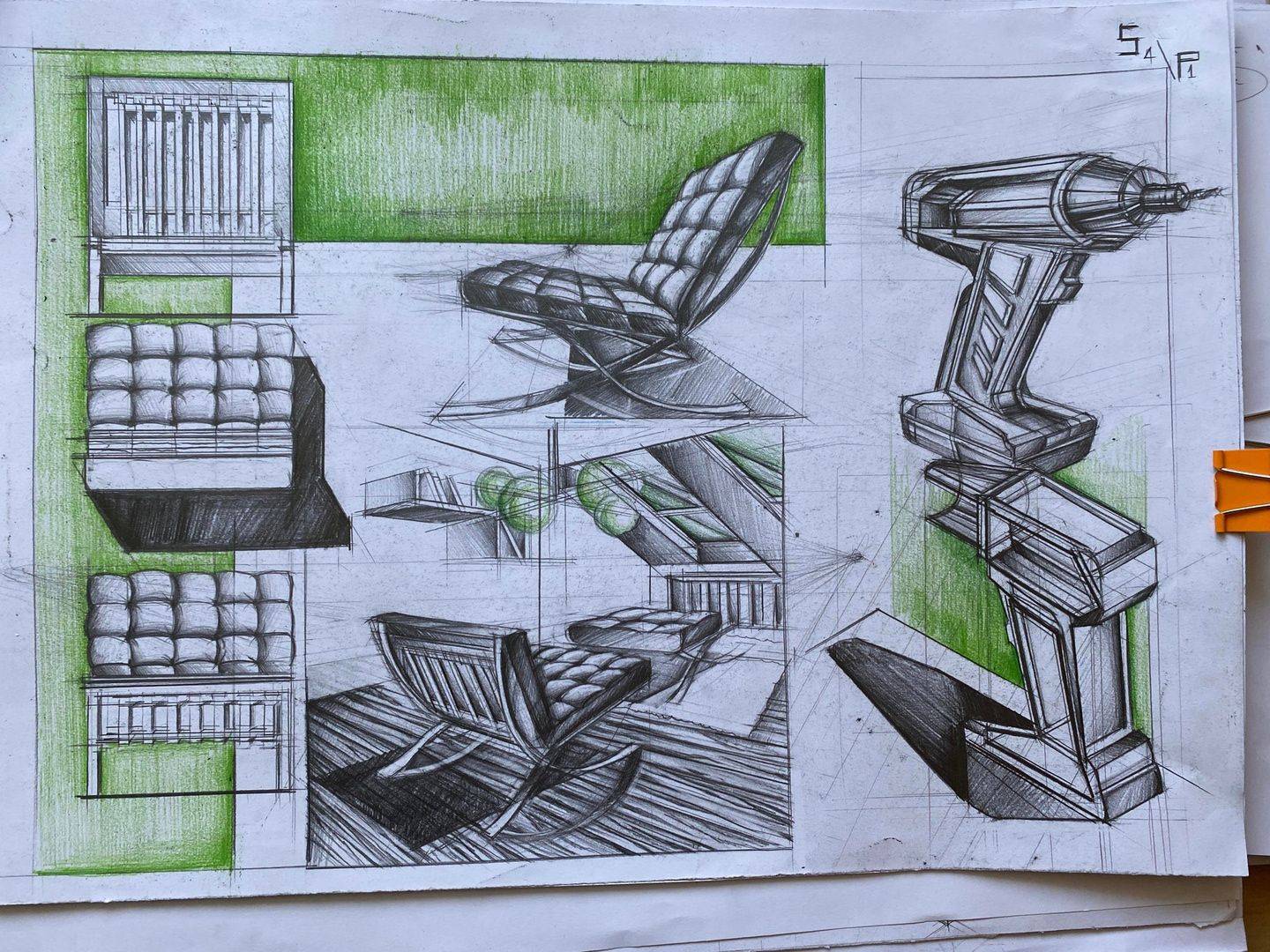
See What Our Students Can Achieve
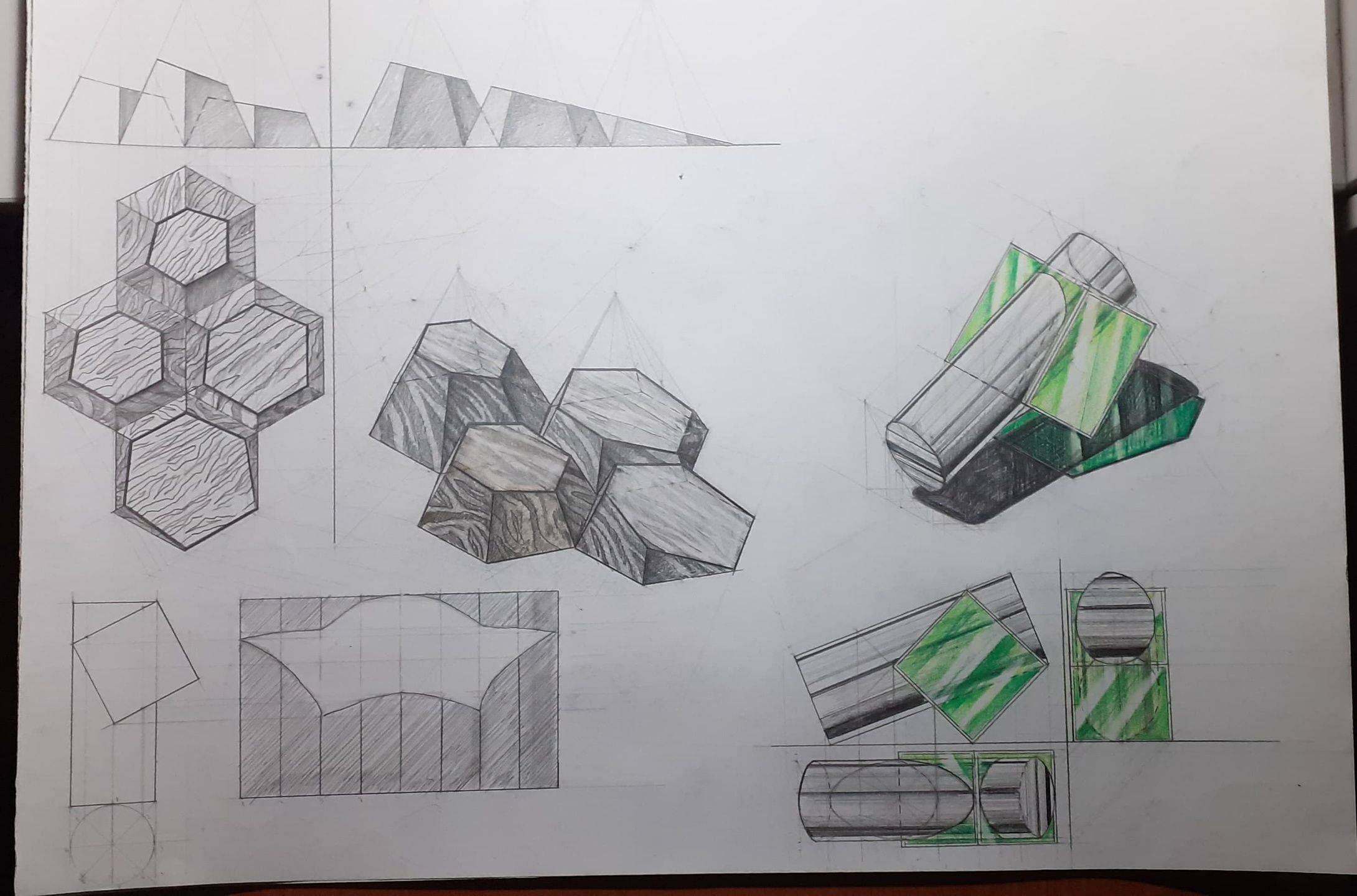
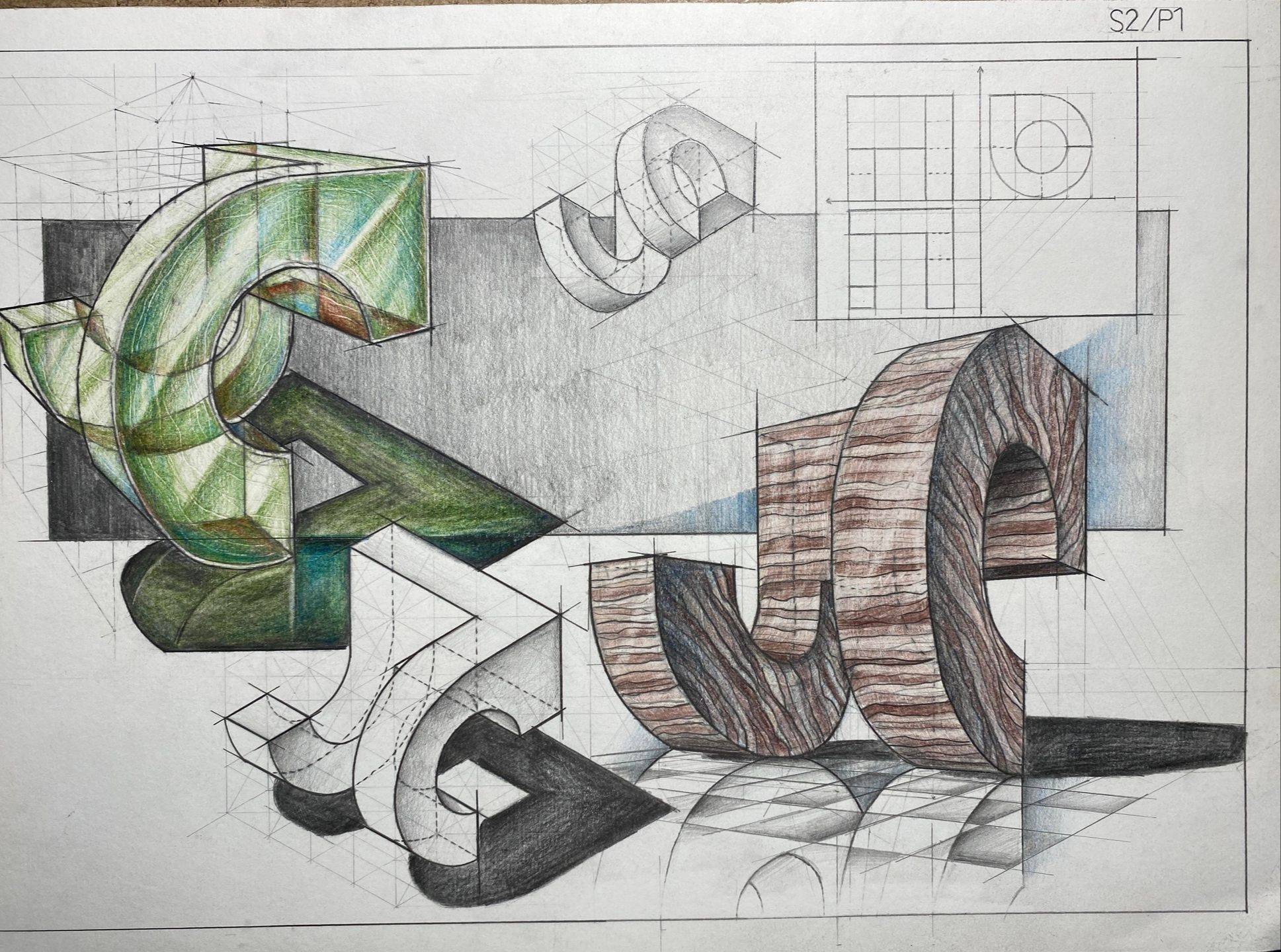
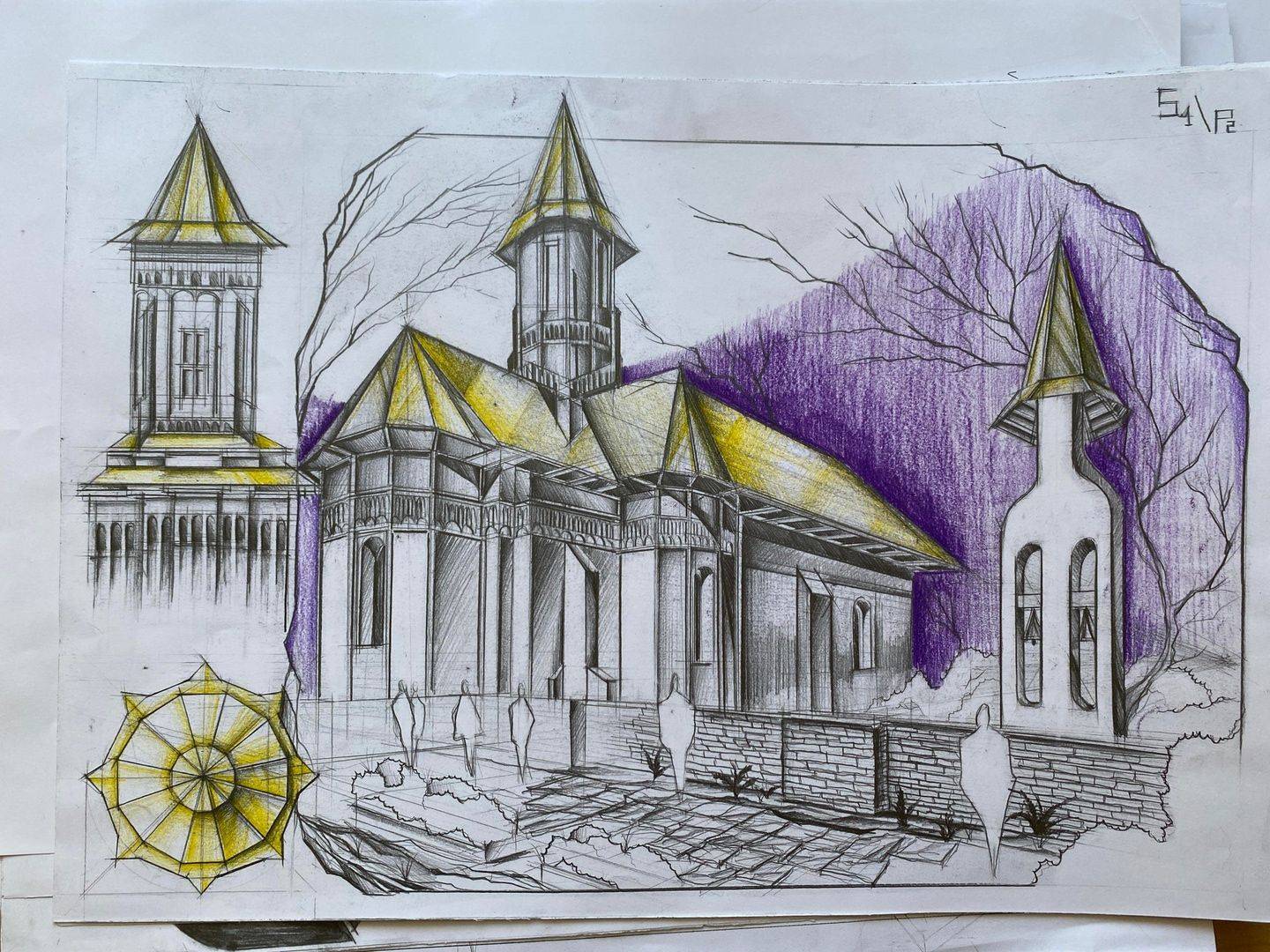
The drawings below were created by students who trained through the Architectural Drawing School.
Many started with little or no architectural drawing experience.
Whenever possible, show:
Before starting the program
After X weeks or months of training
Along with a short description such as:
Started with no previous architectural drawing experience.
The purpose of this section is simple: to show you the level of progress that structured practice, regular feedback and consistent study can make possible.
BOOK A FREE 15-MINUTE CALLIs This Program Right for You?
The Architectural Drawing School is primarily designed for students preparing for architecture university.
It may be a good fit if:
- you want to study architecture but do not yet feel confident about your drawing skills;
- you are preparing for an architecture school admission exam;
- you need stronger drawing skills for an architecture portfolio;
- you have ideas but struggle to communicate them visually;
- you want structured preparation instead of trying to learn architectural drawing alone;
- you want regular feedback on your work;
- you are starting from zero and need a clear learning path.
You do not need advanced drawing skills before joining.
The program starts with the fundamentals and gradually progresses toward more complex architectural drawing and design exercises.
What You Get
The Architectural Drawing School is more than a collection of prerecorded lessons.
It combines structured online learning with practical exercises, regular feedback, accountability and live guidance.
150+ Structured Architectural Drawing Lessons
Follow a progressive curriculum designed to develop the drawing and visual-thinking skills needed for architecture preparation.
5 Days a Week of Feedback and Accountability
Submit your work regularly and receive feedback that helps you identify mistakes, correct them and continue progressing.
Weekly Live Drawing Session
Join a live online session where we draw together, discuss exercises and answer questions about your work.
1,500+ Educational Videos
You also receive access to a large educational library covering architectural drawing, design and related subjects.
Practical Drawing Exercises
This is an active learning program.
You will draw, practice, submit work and apply the concepts taught in the lessons.
Admission and Portfolio Preparation
The skills and exercises are designed to support students preparing for architecture admission exams and portfolio reviews.
Fully Online
Study from anywhere while receiving feedback and participating in live sessions online.
Starting From Zero? That Is Completely Fine
Many future architecture students become interested in the field before they have developed strong drawing skills.
Not being able to draw well today does not mean that architecture is not for you.
Architectural drawing is a skill that can be developed through structured practice, the right exercises and consistent feedback.
You will begin with fundamentals such as:
- perspective;
- proportion;
- line control;
- basic sketching;
- spatial construction.
From there, you will progress toward increasingly complex architectural exercises.
The goal is not simply to create attractive drawings.
The goal is to learn how to communicate space, form and design ideas visually.
Preparing for an Architecture Admission Exam?
Architecture schools may use drawing exams, spatial exercises, design problems or other practical tests during the admission process.
The program can help you develop skills such as:
- perspective drawing;
- freehand sketching;
- spatial thinking;
- descriptive geometry;
- architectural composition;
- light and shadows;
- visual communication;
- design exercises.
Admission requirements vary between universities.
During your introductory call, tell us which architecture schools you are considering and what type of admission process you are preparing for.
Preparing an Architecture Portfolio?
If the university you are applying to requires a portfolio, strong drawing and visual communication skills can help you present your ideas more clearly.
The program can help you develop:
- architectural sketches;
- perspective drawings;
- spatial studies;
- design exercises;
- technical drawing skills;
- rendering skills;
- presentation skills.
Some exercises may also be developed into portfolio work, depending on the requirements of the schools you are applying to.
The objective is not to give every student the same portfolio template.
It is to help you develop the skills needed to produce stronger and more personal work.
BOOK A FREE 15-MINUTE CALLWhat You Will Learn
The curriculum combines drawing fundamentals with architectural and design exercises.
Drawing Fundamentals
You will work on:
- perspective;
- proportion;
- line quality;
- hand sketching;
- rendering materials;
- light and cast shadows;
- architectural color and presentation.
Architectural Thinking
You will study:
- descriptive geometry;
- spatial relationships;
- architectural forms;
- roof construction;
- interior spaces;
- functional organization.
Design and Spatial Exercises
The program also includes exercises involving:
- urban design;
- park design;
- object and product drawing;
- three-dimensional representation;
- architectural composition.
Architectural Culture
You will also study architectural history, styles and the logic behind different architectural approaches.
These subjects are included to strengthen both your drawing ability and your visual thinking as a future architecture student.
Why Feedback Matters
Watching lessons alone is rarely enough to improve architectural drawing efficiently.
You need to draw, make mistakes, understand those mistakes and correct them.
That is why feedback is a central part of the program.
You can submit your work and receive guidance on areas such as:
- perspective;
- proportion;
- construction;
- line quality;
- composition;
- rendering;
- shadows;
- spatial clarity;
- presentation.
The goal is not simply to tell you whether a drawing is right or wrong.
The goal is to help you understand: what needs improvement, why it needs improvement and how to correct it.
Meet Your Instructor
Michael Neatu
Hi, I'm Michael Neatu.
I have been teaching architectural drawing for more than 12 years through live courses and online programs.
During that time:
- more than 900 students have trained through live courses;
- more than 9,000 students have completed our video programs;
- the educational library has grown to more than 1,500 videos;
- the Architectural Drawing School now includes more than 150 structured lessons.
Years ago, I was in the same position many future architecture students find themselves in today: trying to understand how to develop the drawing skills needed to communicate ideas clearly.
I created this program to give students a structured way to learn, practice and receive feedback instead of trying to figure everything out alone.
A School Built Around Student Progress
12+ years of teaching experience
900+ students trained in live courses
9,000+ students through video programs
1,500+ educational videos
150+ architectural drawing lessons
5 days/week feedback and accountability
1 weekly live drawing session
What Students Say
How the Program Works
1. Tell Us Your Goal
During the introductory conversation, tell us:
- which architecture schools you are considering;
- when you plan to apply;
- whether you are preparing for an admission exam, portfolio review or both;
- your current drawing level.
2. Start at the Right Level
Complete beginners can begin with the fundamentals.
Students who already have drawing experience can move toward more advanced exercises.
3. Follow the Lessons and Practice
Work through the curriculum and complete the practical drawing exercises.
4. Submit Your Drawings for Feedback
Receive regular feedback so that you understand what needs to be corrected and how to improve.
5. Join the Weekly Live Session
Draw together, ask questions and receive additional guidance.
6. Keep Progressing
Continue developing your skills through practice, correction and increasingly complex exercises.
How Much Time Should You Study?
Consistent practice matters more than occasional intensive study.
A typical student may spend approximately 6–10 hours per week, depending on:
- current drawing level;
- admission requirements;
- application deadline;
- personal goals.
Students preparing for an approaching admission exam or portfolio deadline may choose to practice more intensively.

Program Price
Starting From $397/Month
Your membership includes:
- 150+ structured architectural drawing lessons;
- access to the educational video library;
- practical drawing exercises;
- regular personalized feedback;
- 5 days/week accountability;
- weekly live drawing sessions;
- support for your questions;
- preparation relevant to admission exams and portfolio work.
Cancel anytime.
Not sure whether the program fits your level or the universities you are considering?
Speak with us before joining.
There is no obligation to enroll.
BOOK A FREE 15-MINUTE CALLWhy Not Just Take a Prerecorded Drawing Course?
There are many inexpensive video courses available online.
If you only want access to prerecorded lessons, one of those courses may be enough.
The Architectural Drawing School is designed for students who want more structure, interaction and feedback.
You are not simply watching videos.
You are:
- following an architecture-focused curriculum;
- completing practical exercises;
- submitting drawings;
- receiving regular feedback;
- participating in live sessions;
- asking questions;
- receiving accountability;
- working toward specific architecture-school goals.
For students preparing for admission, the structure and feedback can be just as important as the lessons themselves.
Architecture Admission Requirements Vary by University
There is no single admission process used by every architecture school.
Depending on the university, admission may involve:
- drawing exams;
- portfolio reviews;
- design exercises;
- interviews;
- spatial reasoning tests;
- combinations of several requirements.
The Architectural Drawing School does not guarantee admission to any university.
Its purpose is to help you develop the architectural drawing and visual communication skills that can support your preparation.
Always check the specific requirements of the architecture schools you plan to apply to.
Frequently Asked Questions
Can I Join If I'm a Complete Beginner?
Do I Need Natural Drawing Talent?
Is the Program Completely Online?
Are There Live Classes?
Do I Receive Feedback?
Can I Prepare for an Architecture Admission Exam?
Can the Program Help Me Prepare an Architecture Portfolio?
Can I Use Course Exercises in My Portfolio?
How Much Time Should I Study Every Week?
Can I Rewatch the Lessons?
How Much Does the Program Cost?
Can I Cancel?
Can You Guarantee That I Will Be Admitted to an Architecture University?
Not Sure If the Architectural Drawing School Is Right for You?
Book a free 15-minute conversation with us.
Tell us:
- your current drawing level;
- when you plan to apply;
- which architecture universities you are considering;
- whether you need admission exam preparation, portfolio preparation or both.
We can then discuss whether the program fits your goals.
We can contact you by email, phone or WhatsApp, depending on your preference.